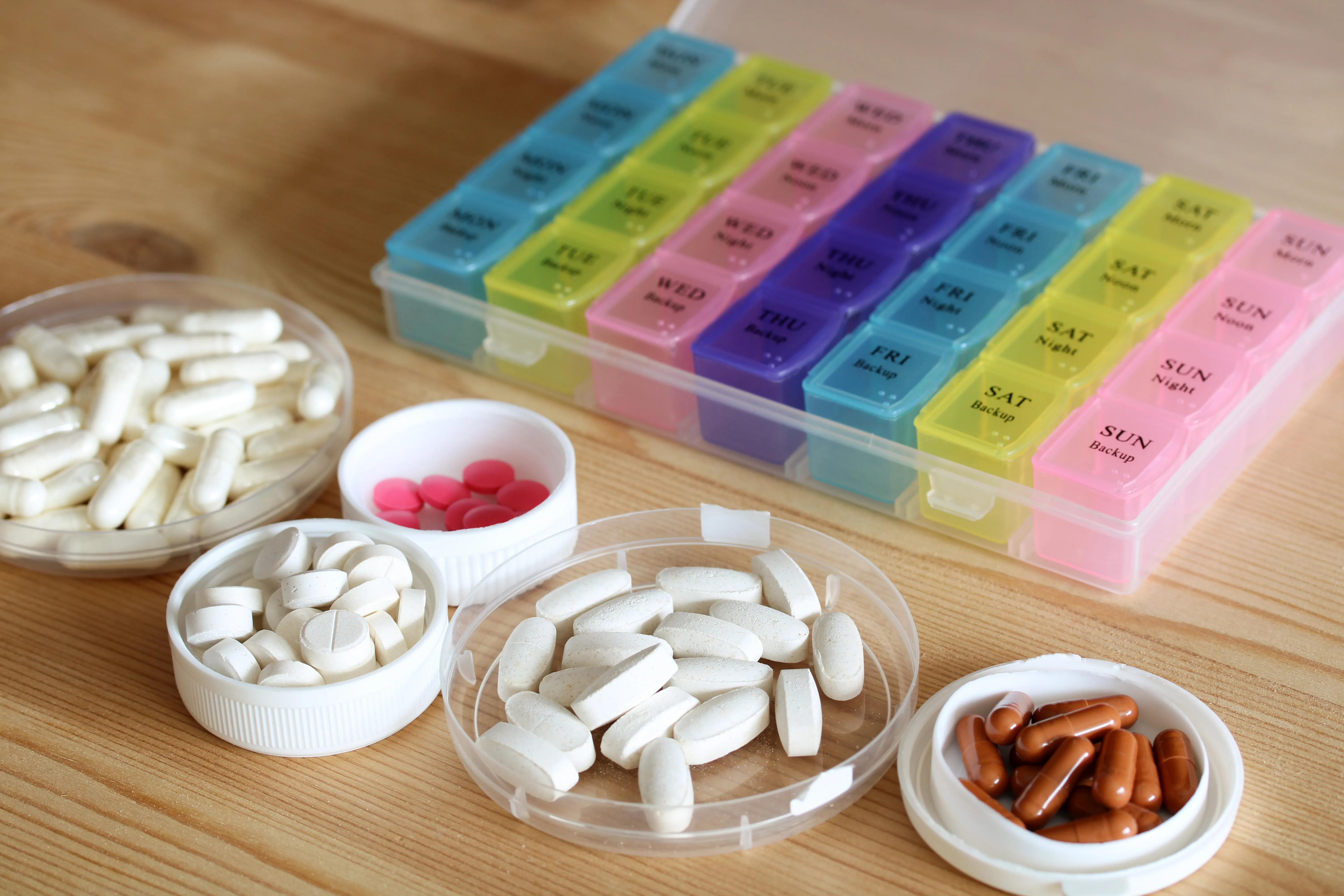
There has never been a greater need for clear, patient-focused information design due to the complexity of therapies, the trend of self-administration, and growing regulatory demands. Simultaneously, contemporary developments like QR-enabled instructions, smart labelling, and human-factor-driven design are changing how patients engage with their medications. To that end, World BI organizes Pharma Packaging & Labelling conferences that bring together suppliers and manufacturers, enabling them to choose the best partner to meet the right partner for their packaging and Labelling needs.
Why Patient Labelling and Packaging are Important
When it comes to medicine use, patients have the last say. They rely solely on what they see and comprehend from packaging, in contrast to healthcare professionals.
Inadequate labelling and packaging can result in:
- Errors with medication (incorrect dosage or timing).
- Decreased treatment compliance.
- Misunderstanding the directions.
- Increased hospital stays and healthcare hazards.
Conversely, thoughtfully created patient-focused packaging:
- Enhances compliance and safety.
- Improves treatment results.
- Increases trust in medical systems.
- Encourages self-sufficient patient care.
To put it briefly, patient outcomes are directly impacted by efficient packaging and labelling.
"Patient outcomes are directly impacted by efficient packaging and labelling. It is the bridge between science and real-world patient behavior."
Is it Possible to Find the Information?
The ease with which a patient can access important instructions on a label or container is referred to as findability.
Regular Problems
- The visual hierarchy is poor.
- Fonts that are small or unreadable.
- Vital cautions concealed in long paragraphs.
- Absence of a consistent design among products.
Why it is Important
Patients frequently use medications when they are under stress or have poor vision, such as when they are sick, tired, or have aged eyes.
The Best Methods
- For important sections, use bold headings.
- Emphasize the dose guidelines.
- Use uniform label formats for all product lines.
- For quick recognition, use color coding and icons.
- Make sure it is readable in various lighting situations.
- The likelihood of misuse is much decreased when information is easily accessible.
Does the Information Make Sense?
The patient must still be able to understand the information even if it is clear and pertinent.
Obstacles to Comprehension
- Medical terminology, such as "contraindicated," "bid," and "titration".
- Complex sentence structures.
- Words that are unclear, such as "use as directed".
- Absence of a visual explanation.
Increasing comprehension level
- Use straightforward wording, such as "twice daily" rather than "bid."
- When feasible, substitute pictograms for words.
- Divide instructions into concise, understandable steps.
- When necessary, offer multilingual assistance.
- Steer clear of needless acronyms.
In order to properly take their medication, a patient should never use a medical dictionary.
Can You Use the Information?
Usability guarantees that patients can accurately use the knowledge in their daily lives.
Typical Usability Issues
- Packaging that is challenging to open (especially for elderly)
- Absence of measuring guidelines or dosing instruments.
- Managing complicated devices (inhalers, injections).
- bsence of guidelines for practical situations (missing doses, trip use).
Improving Usability
- Ergonomic, patient-friendly packaging designs.
- Clear step-by-step usage instructions.
- Dose delivery aids (syringes, spoons, pens).
- Visual guides and diagrams.
- QR codes linking to instructional videos.
- Usability is where design meets real-life patient behavior.
Bridging the Distance: Patient Experience vs. Regulation
Although safety and compliance are guaranteed by regulatory frameworks, usability and comprehension are not always guaranteed. This makes a space between:
- Correctness of regulations (what needs to be included) and Patient reality (what is truly comprehensible and applicable).
- The industry needs to shift toward human-centered design in patient packaging and labelling in order to close this gap.
The industry needs to shift toward human-centered design in patient packaging and labelling in order to close this gap effectively.
The Role of Digital Innovation
Pharmaceutical labelling is changing due to digital revolution, which adds intelligent and interactive layers. Emerging remedies consist of
- Video instructions via QR codes.
- Smart packaging that uses NFC.
- Reminders for medications on the go.
- Augmented reality instructions for using devices.
- Personalized instructions powered by AI.
These developments transform static labels into dynamic instruments for patient support.
Building Improved Patient Packaging and Labelling
Pharmaceutical firms should use a systematic patient-first strategy to increase efficacy.
Know What the Patient Requires
Use a variety of patient groups to conduct practical usability study.
Simplify the Design
Standardize packaging designs to cut down on confusion.
Test on Actual Users
Prior to market introduction, verify understanding and usefulness.
Apply Feedback Iteratively
Improve continuously in response to patient feedback.
Work Across Functional Boundaries
Bring the design, clinical, regulatory, and patient experience teams together.
World BI Pharma Packaging & Labelling Forum 2026
Self-medication trends, increasing treatment complexity, and the incorporation of digital health technology are driving a significant change in the packaging and labelling landscape for patients. Packaging must now actively promote patient knowledge, lower medication errors, and facilitate safer self-care, in addition to fulfilling regulatory obligations. Clearly, packaging solutions that integrate digital enablement with human-centered design where accessibility, simplicity, and clarity are integrated into every communication layer are the way of the future. The industry is advancing toward a more connected and encouraging patient experience with everything from enhanced reading standards and clear visual hierarchies to QR-enabled instructions and clever packaging solutions. In the end, the best packaging ensures that any person, regardless of age or literacy level, can use their medication appropriately, securely, and with total confidence by bridging the gap between science and actual patient behavior. Exclusive gatherings are organized by World BI through its annually conference Pharma Packaging and Labelling Forum, providing a dynamic platform for distinguished executives, Artwork Specialists, Packaging Experts, and Vice Presidents (VPs) from leading pharma/biotech companies to connect, collaborate, and share global insights.
For more information, feel free to call, message, or email us at World BI.