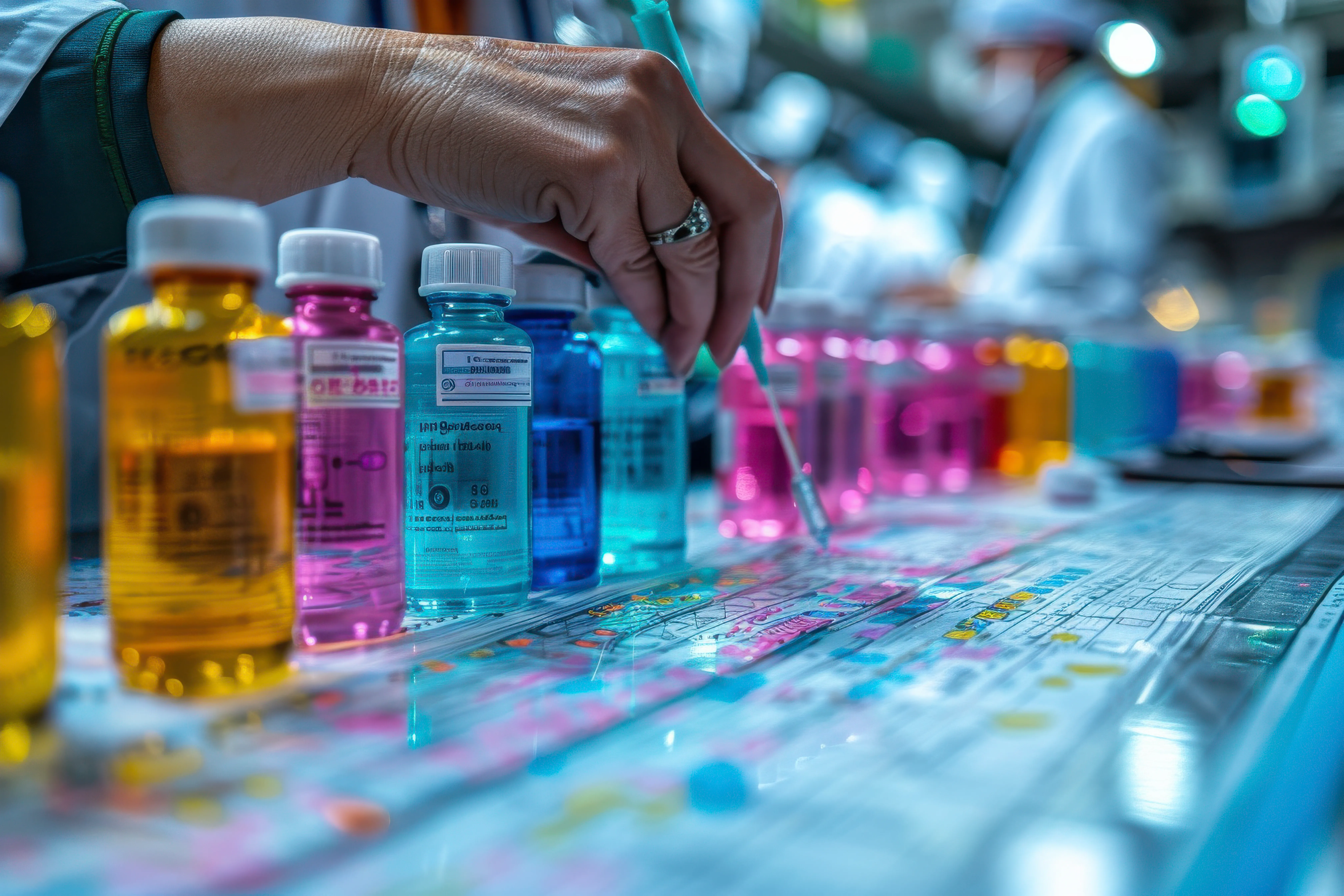
However, mistakes pertaining to artwork continue to go unnoticed in 2027 and are frequently only found when the piece is already costly or, worse, on the market. We might refer to this discrepancy between "approved" and "error-free" as the "Artwork Approval Illusion," which is the conviction that an artwork is correct just because it has been authorized.The truth is more unpleasant. Accuracy and approval are not equal. To that end, World BI organizes Pharma Packaging & Labelling conferences that bring together suppliers and manufacturers, enabling them to choose the best partner to meet the right partner for their packaging and Labelling needs.
The Illusion: "If It Passed Approval, It Must Be Right"
The majority of packaging teams believe that safety is ensured by several approvals. Teams from the legal, regulatory, brand, and quality departments examine the same file. However, since approval is a human coordination mechanism rather than a verification system, errors continue to occur.Several rounds of input, lengthy email based approval chains, and six to eight stakeholders per project are common features of contemporary artwork workflows, which enhance complexity rather than lower risk.
Every step increases assurance, but it also increases risk:
- Different reviewers concentrate on different topics
- Nobody reviews everything from beginning to end
- Final sign-off frequently turns into a "best effort" confirmation
Why Mistakes Can Still Escape in 2027
The fundamental causes of artwork failures are still remarkably structural and human, even with sophisticated technology.
Version Chaos Continues to be the Silent Killer
Version control is one of the most frequent areas of failure. Email chains, shared drives, and several stakeholders all share files, frequently resulting in simultaneous "final" versions. This results in scenarios in which:
- There is a proper file, but it is not the one that was printed.
- An older version supersedes a corrected one.
- Different versions are approved by stakeholders without their knowledge.
- Because many businesses still primarily rely on email based approvals, which lengthens revision periods and creates confusion, this issue still exists in contemporary workflows.
Compliance is Still Regarded as the Last Step
Compliance is still frequently placed at the end of the workflow rather than integrated throughout, despite best practices.This results in a structural flaw:
- Early on in the design/brief stage, errors are introduced.
- They go undetected for several review rounds.
- Only final regulatory review or worse, post-print is when they are discovered.
- According to research, treating compliance as an end-stage check makes it reactive rather than preventive, which raises the possibility of rework and late-stage corrections.
Human Review Has a Natural Ceiling
Cognitive tiredness, repetition, and assumption bias allow even highly skilled reviewers to overlook mistakes. Typical problems overlooked are:
- Inaccuracies in decimal positioning in instructions or dosage.
- Barcode discrepancies.
- Regulations that are out-of-date or absent.
- Disparities in translation between markets.
One of the biggest reasons for packaging-related mistakes is still human error, particularly when teams are working under time constraints or assessing a large number of SKUs.
Complexity Grows More Quickly than Control
Contemporary FMCG and pharmaceutical firms oversee:
- Thousands or hundreds of SKUs.
- Each product has multiple languages.
- Country-specific differences in regulations.
- Frequent rebranding and packaging revisions.
However, approval procedures don't grow as quickly.Teams depend more on coordination than system-level validation as complexity rises. Additionally, coordination is brittle since it depends on communication consistency, availability, and clarity.
Feedback Loops are too Sluggish to Detect Early Errors
Sequential cycles are still used in a lot of workflows:
Design
Internal Analysis
Regulatory Analysis
Final Acceptance
Printed Version
The Actual Issue is that Approval is not a Method of Verification
The original purpose of approval workflows was accountability rather than error detection.
They respond to queries such as:
- Did stakeholders agree?
- Was it examined?
- Who gave their approval?
They don't consistently respond:
- Is this piece of art technically correct?
- Does this version match the regulatory master data?
- Are all markets the same?
The "Final Approver Dependency" is the Hidden Danger
A senior reviewer who catches everything at the end is the one safety mechanism that many organizations unintentionally rely on. This leads to a risky dependency:
In actuality, compliance becomes a human bottleneck instead of a system capability.
Why the Issue Hasn't been Resolved by 2027 Yet
Many businesses are still moving between two worlds despite automation, standardized workflows, and AI tools:
Previous Model
Dispersed files, manual checks, and email
New Model
Automation, validation procedures, and centralized workflows.
Hybrid Systems
Happear during this shift. Additionally, the majority of failures happen in hybrid systems because the procedure appears contemporary yet is still done by hand, they give the impression of control.
Breaking the Illusion: What Works in Practice?
Businesses that regularly lower artwork faults use a few distinct actions:
Compliance regulations are integrated into the workflow, not only the review phases.
They have a single source of truth and strictly enforce version control.
They verify content beforehand, not after.
They lessen reliance on approvals in succession.
They prioritize automatic checks over human evaluation.
World BI Pharma Packaging & Labelling Forum 2027
The reason behind the Artwork Approval Illusion is that approval is akin to control. In actuality, however, permission is merely agreement rather than guarantee.The question of whether teams are studying artwork is no longer a challenge in 2027. The difficulty is in the system's ability to identify mistakes before they need human approval Because once an error is approved, it has already gone through all of the process flaws that made it possible for it to occur in the first place. Exclusive gatherings are organized by World BI through its annually conference Pharma Packaging and Labelling Forum, providing a dynamic platform for distinguished executives, Artwork Specialists, Packaging Experts, and Vice Presidents (VPs) from leading pharma/biotech companies to connect, collaborate, and share global insights.
For more information, feel free to call, message, or email us at World BI.